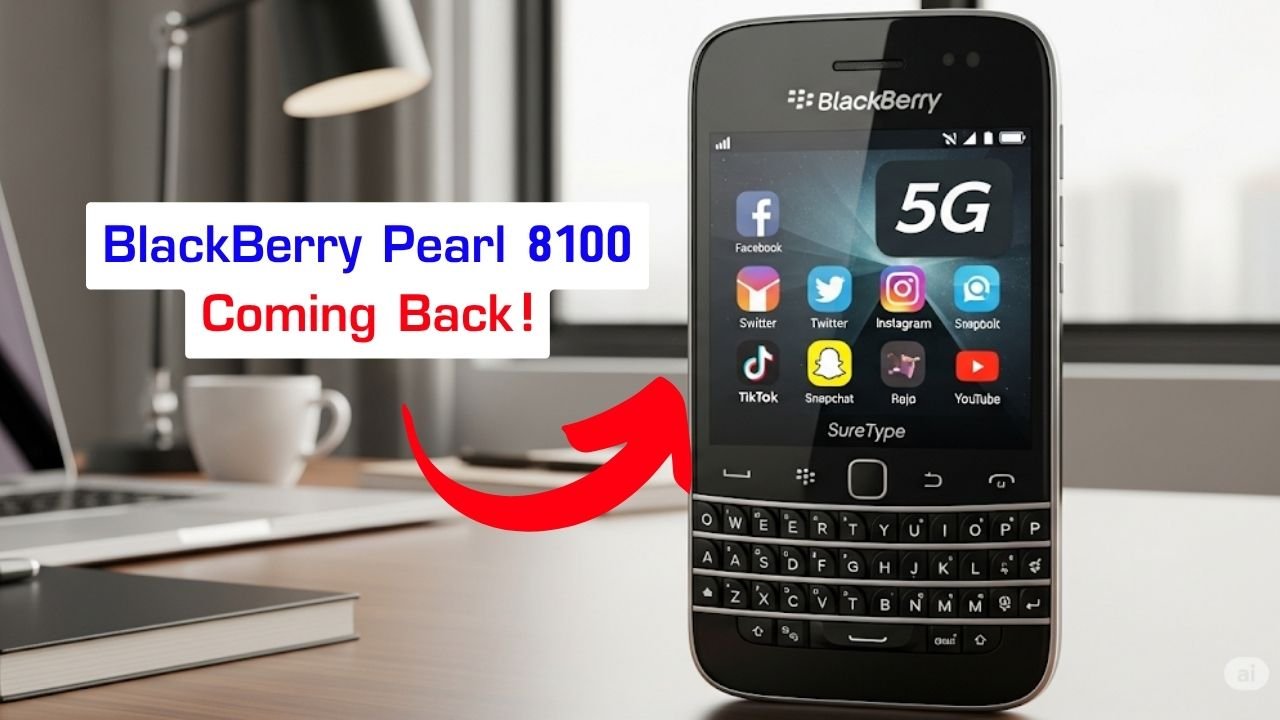
BlackBerry Pearl 8100 5G: The rumored BlackBerry phone represents a potential return to the company’s hardware roots, sparking excitement among physical keyboard enthusiasts worldwide. Industry whispers suggest that a modernized version of the iconic Pearl 8100 could debut with 5G connectivity, Android 16, and a competitive $299 price point for the American market. While BlackBerry officially ceased smartphone production in 2018, these persistent rumors indicate possible third-party manufacturing partnerships that could bring the beloved brand back to consumer hands.
The original Pearl 8100 revolutionized mobile communication when it launched in September 2006, becoming the first BlackBerry device to bridge enterprise functionality with consumer appeal. This BlackBerry smartphone would mark the first new device since the KEY2 in 2018, potentially filling a significant gap in the physical keyboard market that has been largely abandoned by major manufacturers.
The Legacy of BlackBerry Smartphone Innovation
BlackBerry’s influence on mobile technology cannot be overstated. The original Pearl 8100 introduced millions of users to mobile email, instant messaging, and multimedia capabilities in a compact, professional package. With its innovative SureType keyboard and 1.3-megapixel camera, the device sold over 15 million units worldwide and established BlackBerry as a household name beyond corporate boardrooms.
The rumored revival comes at a time when many consumers wonder are blackberry cell phones still available in 2025. While the brand transitioned to cybersecurity software, the nostalgic appeal of physical keyboards has created a niche market served by companies like Unihertz and Minimal Phone. However, none have captured the distinctive BlackBerry experience that combined security, productivity, and reliability.
The timing appears strategic, as digital fatigue drives some users toward devices that promote focused communication over endless scrolling. The Pearl 8100’s compact form factor and physical keyboard could appeal to professionals seeking distraction-free productivity tools and consumers nostalgic for tactile typing experiences.
BlackBerry Android Phone Specifications and Features
According to circulating rumors, the BlackBerry android phone reportedly runs the latest Android 16 operating system while maintaining the classic Pearl design language. The device allegedly features a 4.2-inch OLED display with 1080p resolution, significantly upgraded from the original’s 240×260 pixel screen. The modern iteration would include a Snapdragon 7 Gen 3 processor, 8GB of RAM, and 256GB of internal storage with microSD expansion capabilities.
The camera system represents a substantial upgrade, with rumors suggesting a 48-megapixel main sensor, 12-megapixel ultrawide lens, and 8-megapixel front-facing camera. These specifications would position the device competitively against mid-range smartphones while maintaining the unique physical keyboard advantage that BlackBerry phones with physical keyboard are known for.
Connectivity features allegedly include 5G support across all major US carriers, Wi-Fi 6E, Bluetooth 5.3, and NFC capabilities. The device would retain BlackBerry’s signature security features through Android’s enterprise-grade encryption, potentially enhanced with proprietary BlackBerry security software integration.
Battery life remains crucial for productivity-focused users, and rumors suggest a 4,500mAh battery with 25W fast charging and 15W wireless charging capabilities. This would provide all-day usage while supporting the power demands of 5G connectivity and modern Android features.
BlackBerry Keypad Phone Design and Performance
The BlackBerry keypad phone design reportedly maintains the Pearl’s iconic aesthetic while incorporating modern materials and manufacturing techniques. The rumored device features an aluminum frame with Gorilla Glass Victus protection, measuring approximately 142mm x 71mm x 9.5mm and weighing 165 grams. This represents a larger footprint than the original Pearl but remains compact by current smartphone standards.
The physical QWERTY keyboard allegedly uses improved key mechanisms with enhanced tactile feedback and backlighting for low-light typing. Unlike the original Pearl’s SureType system, the new device would feature a traditional QWERTY layout similar to the BlackBerry KEY2, addressing user feedback about typing accuracy and speed.
Performance expectations center around the Snapdragon 7 Gen 3 processor, which would provide sufficient power for productivity applications, media consumption, and light gaming. The BlackBerry android phone with qwerty keypad targets productivity-focused users who prioritize efficient text input over gaming performance or intensive multimedia editing.
The device would run a near-stock Android 16 experience with subtle BlackBerry customizations, including the classic BlackBerry Hub for unified messaging and enhanced keyboard shortcuts. This approach would maintain Android compatibility while preserving the distinctive BlackBerry user experience that loyal customers remember.
Pricing and Variants
| Variant | Storage | RAM | Price (USD) | Availability |
|---|---|---|---|---|
| Pearl 8100 5G Base | 128GB | 6GB | $249 | Q2 2025 (Rumored) |
| Pearl 8100 5G Standard | 256GB | 8GB | $299 | Q2 2025 (Rumored) |
| Pearl 8100 5G Pro | 512GB | 12GB | $399 | Q3 2025 (Rumored) |
| Specification | Details |
|---|---|
| Display | 4.2″ OLED, 1080p, 90Hz |
| Processor | Snapdragon 7 Gen 3 |
| Main Camera | 48MP with OIS |
| Battery | 4,500mAh with 25W charging |
| Operating System | Android 16 |
| Connectivity | 5G, Wi-Fi 6E, Bluetooth 5.3 |
| Build | Aluminum frame, Gorilla Glass |
| Keyboard | Physical QWERTY with backlight |
The $299 price point for the standard variant would position the device competitively against mid-range Android smartphones while offering the unique value proposition of a physical keyboard. This pricing strategy could attract both BlackBerry loyalists and new users curious about physical keyboard benefits.
Market Competition and Positioning
The rumored Pearl 8100 5G would enter a market largely abandoned by major manufacturers. Current alternatives include the Unihertz Titan 2 at $399 and the Minimal Phone at $449, both targeting niche audiences with physical keyboards. However, neither carries the brand recognition and software optimization that BlackBerry historically provided.
Unlike the BlackBerry KEY2, this device would feature 5G connectivity and modern Android capabilities, addressing previous criticisms about outdated specifications and limited app compatibility. The competitive pricing could attract users frustrated with touchscreen-only devices and professionals seeking efficient text input solutions.
The device would compete indirectly with flagship smartphones by offering a unique value proposition rather than matching raw performance specifications. Success would depend on execution quality, software optimization, and effective marketing to both nostalgic BlackBerry users and productivity-focused consumers.
Market Implications and Future Outlook
The potential return of BlackBerry hardware represents more than nostalgia; it addresses genuine market needs for focused, productivity-oriented devices. As smartphone designs converge toward similar touchscreen slabs, physical keyboards offer meaningful differentiation for specific user segments.
Success would likely encourage other manufacturers to explore physical keyboard designs, potentially revitalizing this dormant market segment. However, the rumored device faces significant challenges, including consumer education, carrier partnerships, and competition from established Android manufacturers.
The BlackBerry brand’s transition to cybersecurity software creates interesting possibilities for hardware-software integration that could differentiate the device beyond its physical keyboard. Enterprise security features, enhanced privacy controls, and productivity-focused software could justify the premium over standard Android devices.
Whether these rumors materialize into actual products remains uncertain, but the persistent speculation indicates genuine market interest in BlackBerry’s return to hardware. The combination of nostalgic appeal, unique functionality, and competitive pricing could create a viable niche in the increasingly homogeneous smartphone market.